
U.S. Customs & Border Protection Services
Non-Compliant Wood and Labeling
Atlantic Fumigation Services will help you with your Non-Compliant Wood, and Labeling needs for US Customs and Border Protection.
When non-compliant wood products enter the United States, they can be detained, seized, or refused entry by U.S. Customs and Border Protection (CBP).
Why Wood Gets Held at the Border
APHIS / Plant Health Issues
Under USDA regulations, wood packaging and raw wood materials must comply with phytosanitary standards:
- Proper heat treatment or fumigation
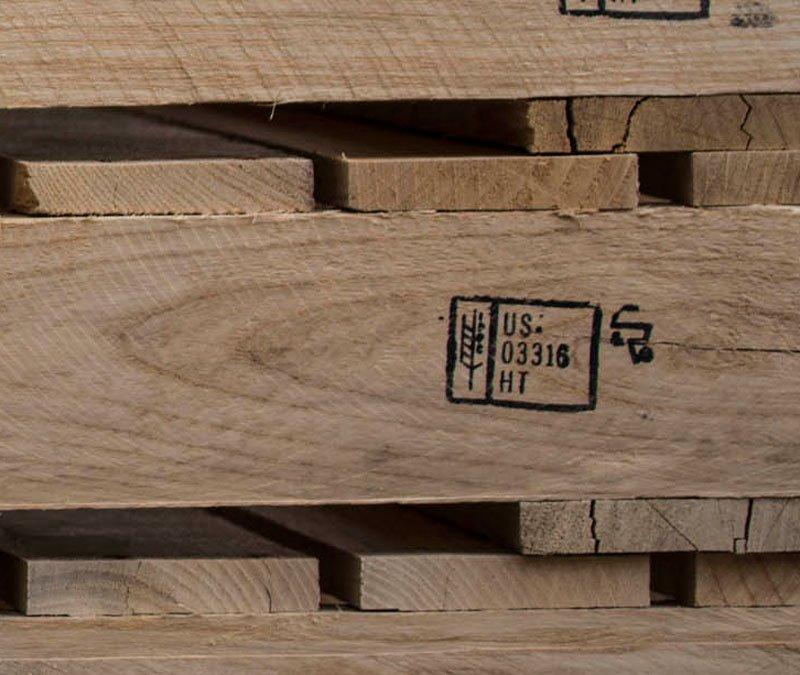
- ISPM-15 marking on pallets/crates
- No bark or pests present
If pests or untreated wood are found, shipments can be re-exported, destroyed, or treated under supervision.
What Happens When Wood Is Held?
Detention Notice Issued
Importers have limited time, usually 30 days, to respond.
Request for Information (CF-28)
CBP may ask for supply chain documentation.
Possible Outcomes
Cargo may be released, exported out of the U.S., or destroyed.
Examples of Non-Compliant Wood
- Undeclared tropical hardwoods
- Wood pallets without ISPM-15 marks
- Lumber without ISPM-15 marks
- Lumber with live insect infestation
Country of Origin Labeling
When importing goods into the United States, Country of Origin (COO) labeling must comply with regulations enforced by U.S. Customs and Border Protection (CBP) under 19 U.S.C. Section 1304 and 19 CFR Part 134.
What Is Country of Origin?
The country of origin is the country where the product was manufactured, produced, or grown, or the country where it underwent a substantial transformation, a process that changes its name, character, or use.
General Marking Requirements
All imported goods must be:
- Marked in English
- Conspicuous and easy to find
- Legible
- Indelible and permanent to the extent possible
- Marked on the article itself unless an exception applies
Typical acceptable formats:
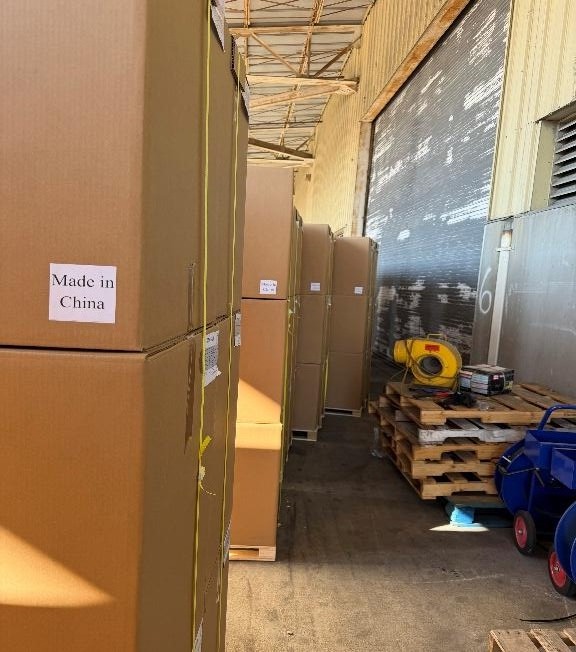
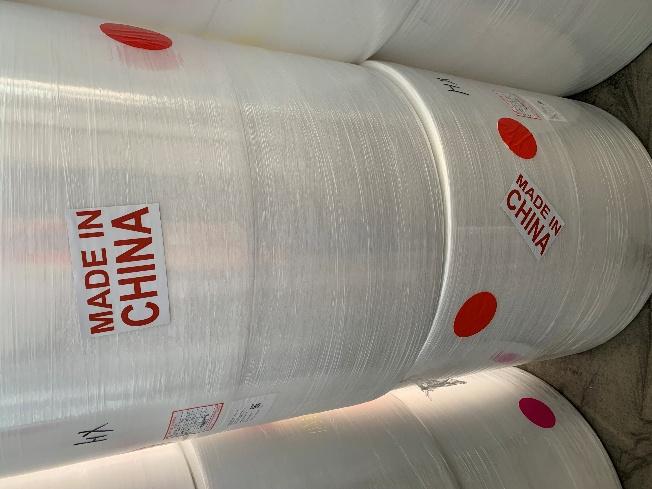
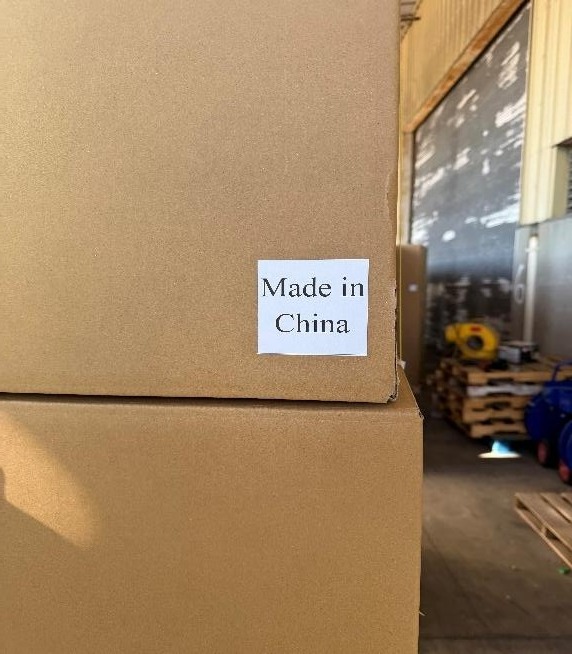
- "Made in China"
- "Product of Germany"
- "Manufactured in Mexico"
Consequences of Non-Compliance
CBP may:
- Refuse entry
- Require remarking under supervision
- Assess marking duties, including 10% additional duty
- Issue penalties
- Seize goods in serious cases
Practical Guidance Before You Ship
- Use permanent marking whenever possible
- Avoid removable stickers unless acceptable for product type
- Ensure origin matches customs documentation, including 7501 and commercial invoice
- Review substantial transformation analysis before shipping
- Confirm if USMCA or another trade agreement affects origin
Need product-specific compliance help?
Contact Atlantic Fumigation Services for a more precise compliance answer tailored to your product, shipment, and documentation.