Fumigation Services
Austreat and Brown Marmorated Stink Bug (BMSB) Fumigations in Australia and New Zealand
Atlantic Fumigation Services is the Southeast BMSB specialist for fumigation going to Australia and New Zealand. AFS has been a part of the BMSB Offshore Treatment providers since the program started in 2019.
Protecting Australian Businesses, Biosecurity & Supply Chains
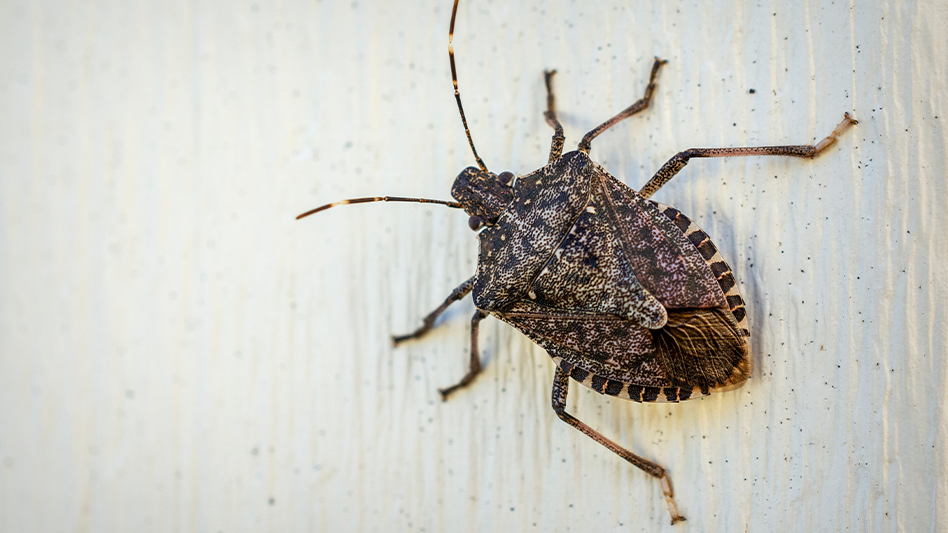
Australia maintains some of the strictest biosecurity laws in the world, and for good reason. One of the most serious seasonal threats is the Brown Marmorated Stink Bug (BMSB), an invasive pest that can cause devastating agricultural and environmental damage.
To prevent its establishment, mandatory fumigation and treatment requirements apply to certain imports entering Australia during the BMSB risk season.
What is the Brown Marmorated Stink Bug?
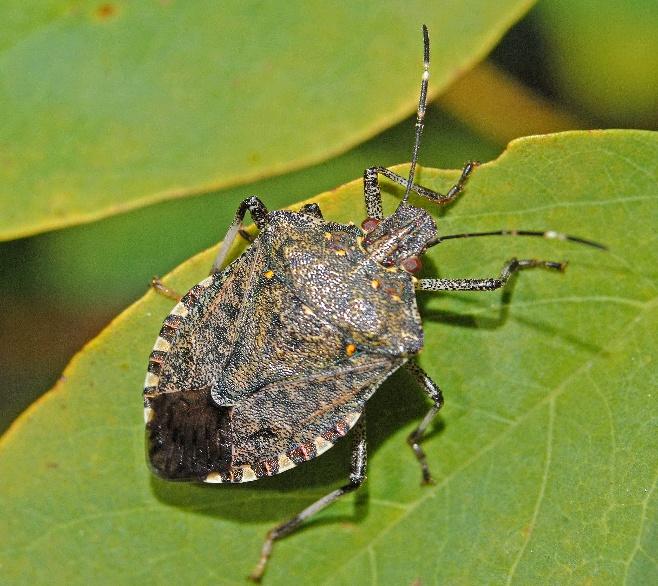
The Brown marmorated stink bug (BMSB) is a highly invasive pest native to Asia that has spread to North America and Europe. It feeds on more than 300 plant species, including fruit, vegetables, grains, and ornamental crops.
Because Australia remains free of BMSB, strict border controls are enforced each year.
When is BMSB Risk Season?
The Australian Government designates a BMSB risk season, typically 1 September - 30 April, with dates that may vary slightly each year.
Targeted Goods
Targeted goods shipped from identified high-risk countries must undergo approved treatment before arrival or at an approved Australian facility.
Avoid Delays
Importers must ensure compliance prior to shipment to avoid delays, re-export, or costly onshore treatment.
Which Goods Require Fumigation?
BMSB treatment requirements commonly apply to:
- Machinery and vehicles
- Auto parts
- Construction materials
- Mining equipment
- Steel and manufactured goods
- Break bulk and containerized cargo
- And many more
The treatment requirements are administered by the Department of Agriculture, Fisheries and Forestry (DAFF), and their approved Offshore Treatment Providers.
Approved BMSB Treatment Options
Australia recognises several approved treatment methods:
Methyl Bromide Fumigation
- Conducted offshore
- Specific dosage and exposure times required
- Requires temperature monitoring and certification
Sulfuryl Fluoride Fumigation
- Approved alternative in some cases
- Effective against BMSB when applied to protocol
- Conducted offshore
- Specific dosage and exposure times required
- Requires temperature monitoring and certification
Why Offshore Fumigation Is Recommended
Offshore treatment helps:
- Prevent shipment delays
- Avoid port congestion
- Reduce demurrage and storage costs
- Ensure smooth customs clearance
Non-compliant goods may be held at port, directed for mandatory onshore fumigation, exported back to origin, or destroyed in extreme cases.
Common Signs of BMSB in Cargo
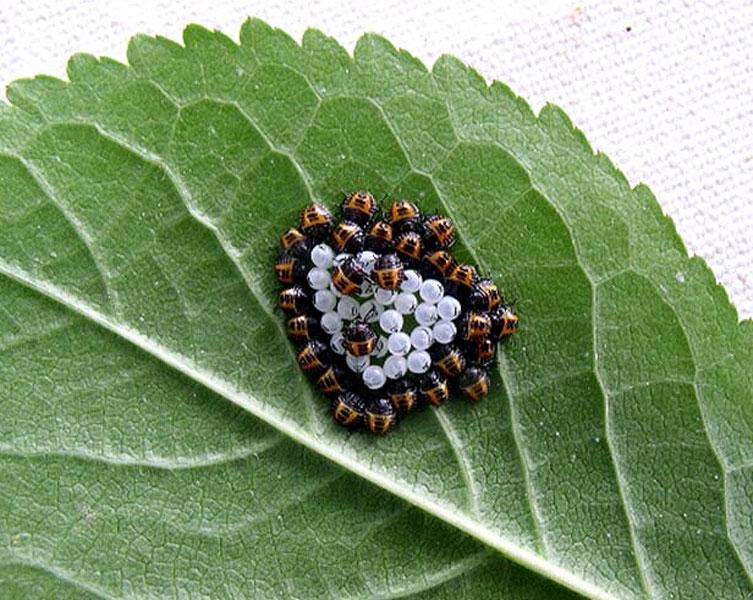
BMSB may appear as adult insects, eggs, or newly hatched nymphs. Inspectors and logistics teams should watch for insects on or inside cargo, packaging, equipment, vehicles, and container surfaces during the risk season.
How to Prepare for BMSB Season
Importers and logistics managers should:
- 1. Identify whether goods are classified as target risk goods.
- 2. Confirm if the country of export is on the high-risk list.
- 3. Arrange approved offshore fumigation where possible.
- 4. Verify certification before vessel departure.
- 5. Work with experienced biosecurity compliance providers.
Early planning is essential to prevent costly delays.
Protecting Australia's Biosecurity
Australia's agricultural sector contributes billions of dollars annually to the economy. Preventing the entry of invasive pests like the Brown Marmorated Stink Bug is critical to safeguarding farms, ecosystems, and export markets.
By ensuring proper fumigation and compliance, importers play a vital role in protecting Australia's environment and economy.
Atlantic Fumigation Services can help ensure your cargo meets all Australian import requirements, reducing risk and keeping your supply chain moving efficiently.